
Service · inspections
Underwater inspection with ROV.
We inspect your vessel’s hull, propellers, shafts and underwater body with an ROV and 4K video, with no divers in the water and no dry-docking. Docks and submerged structures too. Every finding is located on the 3D model to plan maintenance.
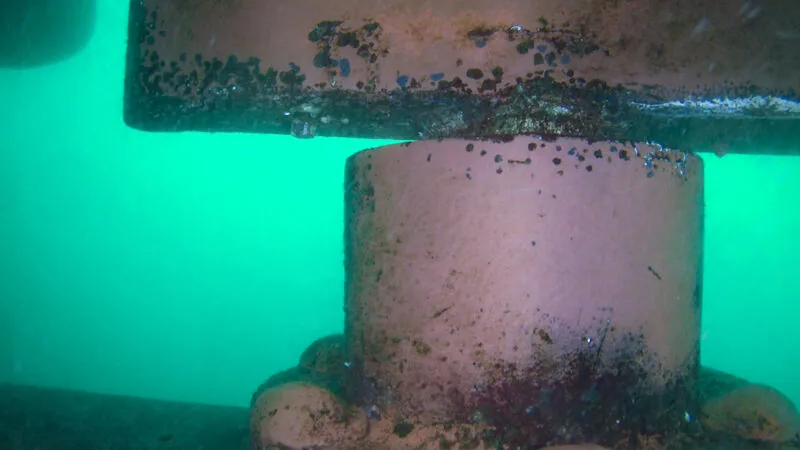
What an underwater ROV inspection is
An ROV (remotely operated vehicle) is a small camera submarine controlled from the surface. It travels along the submerged part of the vessel or structure and records in 4K what lies under the water: fouling, corrosion, coating damage, dents and the condition of propellers and shafts.
This way the underwater body is inspected without dry-docking the vessel and without divers in the water. It helps decide, with evidence, whether a repair is done afloat or at the shipyard, and arrive at dry dock with the work already identified.
What it is for
When it is used
-
Before dry-docking
See the condition of the underwater body to decide whether the vessel goes into dock and arrive with the work planned.
-
Propellers, shafts and rudder
Check blades, shafts and rudder after an impact or vibration, without taking the vessel out of the water.
-
Docks and structures
Piles, fenders and submerged structures of docks and marine works.
-
Seabed maps
Hydrography for unloading bays and subsea lines.
Process
How we work
- 01
Inspection plan
We define what is checked (hull, propulsion, dock or structure) and schedule the inspection with the vessel afloat, at the dock or in the bay.
- 02
ROV dive
The ROV travels the submerged area while the surface team steers the camera and records each finding in 4K video.
- 03
Review and location
We review the video and locate each finding on the asset’s 3D model, with its captures.
- 04
Report
We deliver the report with photos, video and findings, ready for the maintenance plan or dry-docking.
Deliverables
What we deliver
Depending on the asset inspected:
- 4K video of the inspection
- Captures of each finding
- Inspection report
- Findings located on the 3D model
- Condition of propellers, shafts and rudder
- Record of corrosion and fouling
- Seabed map (if applicable)
- Access to the Yakuscan platform
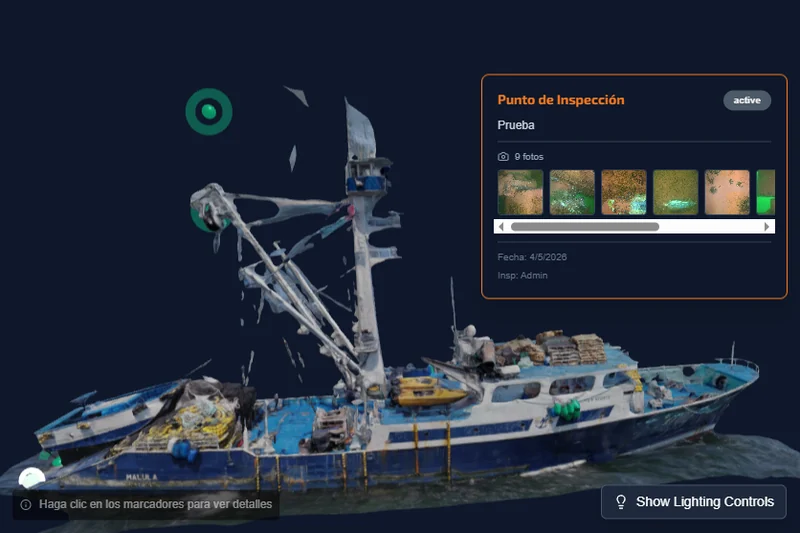
What we check
Under the water, zone by zone
| Zone | What we check | What for |
|---|---|---|
| Hull and underwater body | Fouling, corrosion, coating and dents | Plan cleaning, painting or dry-docking |
| Propellers and shafts | Blades, shafts and rudder | Detect damage after an impact or vibration |
| Docks | Piles, fenders and submerged structure | Maintain port infrastructure |
| Seabed | Maps of bays and subsea line routes | Unloading bays and subsea lines |
Case studies
Work and experience
- Live panel
Underwater inspections and preventive maintenance
With Astillero Diamante and HCM Pinturas: why maintenance without cost overruns starts under the water, before entering dry dock.
- Seabed maps
Subsea lines T2 and T3
3D seabed models of two subsea lines, explorable in the browser.
- Over 50 vessels
Fishing and commercial fleets
Vessels scanned in Peru and Ecuador, with their drawings and 3D model.
FAQ
What clients ask us most.
Does the vessel have to be dry-docked?
No. The ROV inspects the underwater body with the vessel afloat, at the dock or in the bay. That is exactly what helps decide whether it needs to go into dock.
Are divers needed?
No. The ROV is controlled from the surface and nobody goes into the water.
What is the video quality?
We record in 4K and deliver the full video together with captures of each finding.
Does it work for docks and structures?
Yes. Besides vessels, we inspect docks, piles and submerged structures, and make seabed maps for unloading bays and subsea lines.
How is the report delivered?
As a PDF with photos and video, with each finding located on the asset’s 3D model; for vessels, also on the Yakuscan platform.
Next step
Let’s inspect your underwater body.
Tell us which vessel or structure it is, where it is and what you need checked; we will reply with the inspection plan.
We received your request.
A SAMINS engineer will contact you within 24 business hours.
We could not send the form.
Your details are already written in a message. Send it via WhatsApp and we will reply just as fast.
Send via WhatsApp →